
Why Generic ERP Systems Don’t Work in Produce
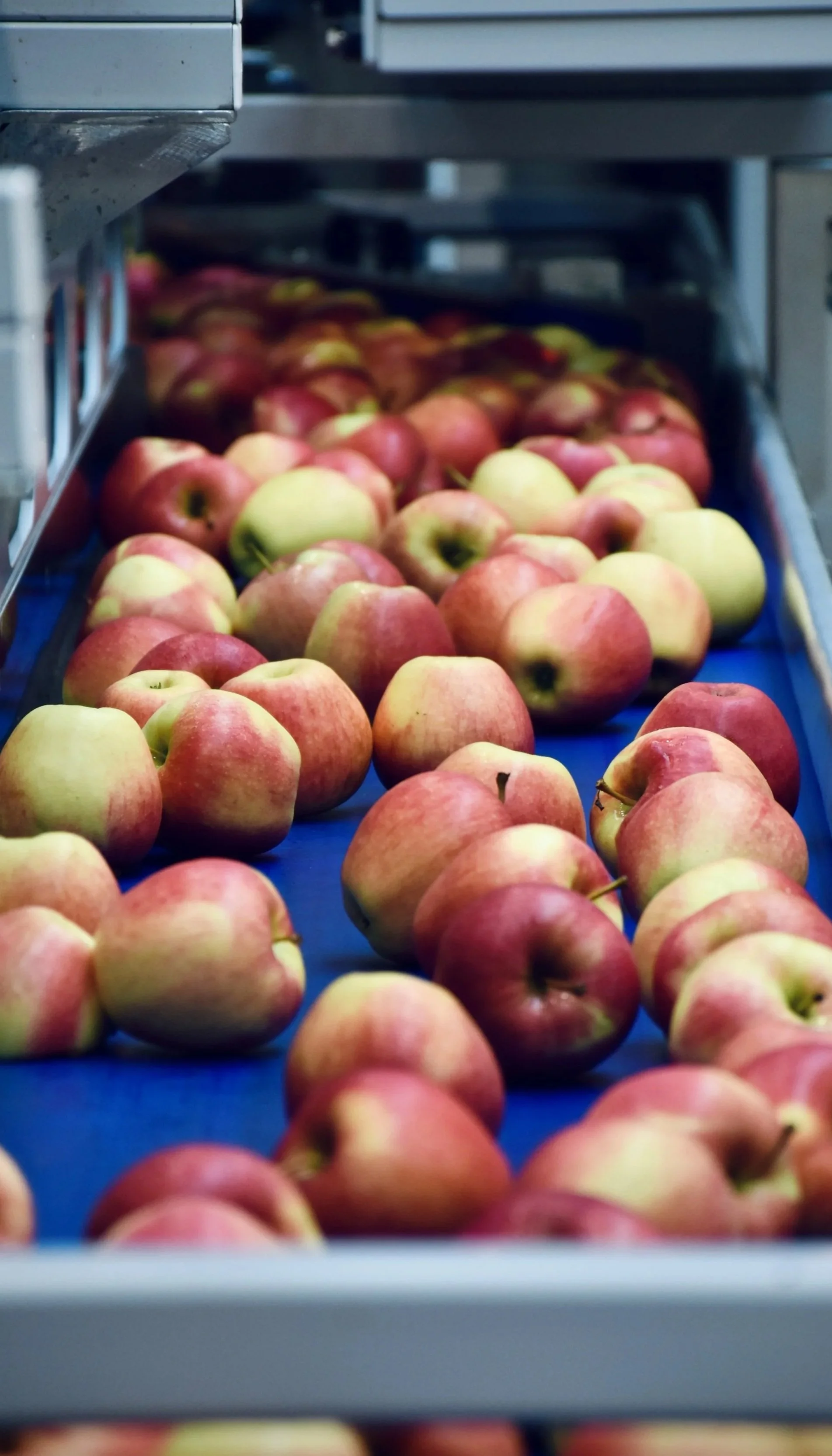
Fresh produce in motion — the daily reality ERP must support.
Produce and floral operations don’t behave like other industries.
They operate under constant pressure — tight margins, perishable inventory, unpredictable supply, evolving compliance requirements, and customers who expect speed and accuracy every time.
Yet many ERP systems are still designed as if produce works like manufacturing or retail.
That disconnect is where problems begin.
Produce operates in real time — not theory
In produce, timing matters. Inventory ages quickly. Pricing shifts constantly. A delay at the dock can ripple through the entire operation.
Planning isn’t static, and neither is demand.
Generic ERP systems are often built around stable inputs, predictable timelines, and simplified workflows. Those assumptions may work elsewhere — but in produce, they fall apart quickly.
What starts as a small workaround soon becomes a daily habit.
Where generic ERP breaks down
Produce companies don’t usually notice ERP problems all at once. They creep in slowly:
Data re-keyed between systems
Spreadsheets filling functional gaps
Limited visibility into lots, inventory, and orders
Planning tools that don’t reflect operational reality
Teams compensate because they have to. The work still needs to get done.
Over time, ERP becomes something employees work around, not with.
The hidden cost of workarounds
The most expensive ERP problems aren’t always obvious.
They show up as:
Lost time
Preventable errors
Frustrated teams
Decisions made without full visibility
Most produce companies don’t realize how much they’re losing — because those losses are buried in daily processes and manual fixes.
When margins are already tight, that hidden cost matters.
What “built for produce” actually means
Industry-specific ERP isn’t about adding complexity or features for the sake of it.
It’s about alignment.
ERP built for produce understands:
Perishability and lot-based inventory
Operational pressure at the dock
Planning that reflects real-world variability
Compliance requirements without slowing teams down
The goal isn’t more technology — it’s technology that supports how produce operations actually work.
Why this matters now
The produce industry is facing more change than ever: tighter margins, increased compliance, shifting trade dynamics, and growing expectations around visibility and accountability.
ERP shouldn’t be another obstacle to manage.
It should be a foundation that helps teams adapt, plan, and move with confidence — even when conditions change.
A different approach to ERP
Generic ERP systems aim to serve everyone.
Produce- and floral-focused ERP is designed around the realities of these industries — intentionally.
And that difference matters when operations are under pressure.
If your ERP feels like something your team has learned to tolerate rather than trust, it may be worth asking whether it was ever designed for produce or floral in the first place.