
Pallet Tracking in Produce ERP: Pallets Aren’t the Problem. Your System Is.
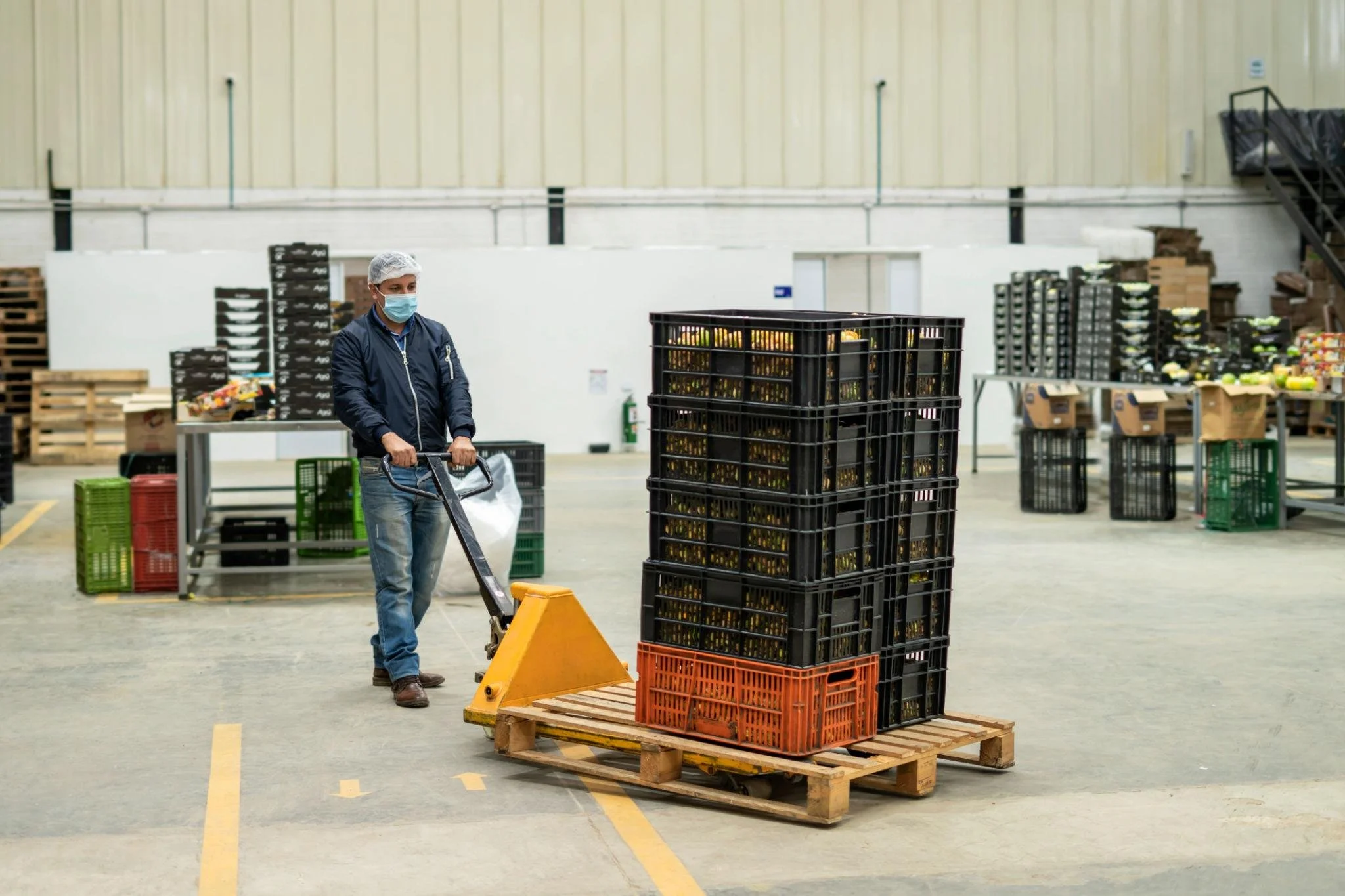
Worker transporting a pallet of fresh produce crates in a warehouse distribution center.
The pallet didn’t go missing.
Your system just couldn’t keep up with where it went.
It happens more often than teams want to admit.
Pallets are shipped, transferred, repacked, returned.
Credits are expected.
Balances should reconcile.
But somewhere along the way, things stop lining up.
Not because people aren’t doing their jobs —
but because the system isn’t built to follow the movement.
Pallets don’t get credited on time
Teams rely on manual tracking
Responsibility sits with one person
And when they’re not there — everything stalls
Now you’re not just managing inventory.
You’re managing uncertainty.
And that uncertainty spreads:
into finance, into customer relationships, into trust.
Because when something as visible as a pallet balance is wrong,
it raises a bigger question:
What else isn’t adding up?
This isn’t a process issue.
It’s a visibility issue.
In produce operations, tracking isn’t static.
It moves with the product — across locations, transactions, and time.
If your system can’t follow that movement in real time,
your team ends up filling the gaps.
And that’s where errors — and frustration — start.
The goal isn’t more controls.
It’s better alignment.
Because when your system reflects what’s actually happening:
Pallets are accounted for
Credits are processed automatically
Teams stop chasing answers
Customers aren’t left waiting
That’s when operations run cleanly — not just recorded, but understood.
Frequently Asked Questions
What is pallet tracking in ERP systems?
Pallet tracking in ERP systems allows businesses to monitor inventory movement at the pallet level, improving accuracy, traceability, and real-time visibility across warehouse operations.
Why is pallet tracking important in produce operations?
In produce operations, inventory moves quickly and changes frequently. Pallet tracking helps maintain accuracy, reduce losses, and ensure traceability across perishable supply chains.
How does a produce ERP system improve pallet tracking?
A produce ERP system connects pallet tracking with inventory, orders, and logistics in real time, eliminating manual tracking and reducing errors across operations.